Alelo · Legacy migration
From legacy to contract-based support: 19 down to 11 minutes
How I moved 200+ support agents to a new system without breaking the way they work.
- Company
- Alelo · Benefits backoffice
- Platform
- Web · integrated with Plusoft
- My role
- Consulting Product Designer and bridge between support and engineering: discovery, quant and qual research, information architecture, flows, UI behavior, usability testing and development follow-up
- Team
- Me (Product Designer) · 2 POs · 3 stakeholders · 1 full stack · Plusoft team (front-end)
- Duration
- 3 months
[ Impact ]
19 → 11 min
average handling time (−42%)
2.9 → 4.1
customer satisfaction (out of 5)
200+
agents migrated in 3 months
Context
The business support team used a legacy system to answer clients over chat and email, often handling more than three clients at once.
Problem
The legacy system was full of workarounds: disconnected flows and features almost impossible to find because navigation had no logic, and it kept logging agents out. Agents lost time hunting for information while clients waited. And since they were used to the old system, an overly complex migration could sink productivity.
Process
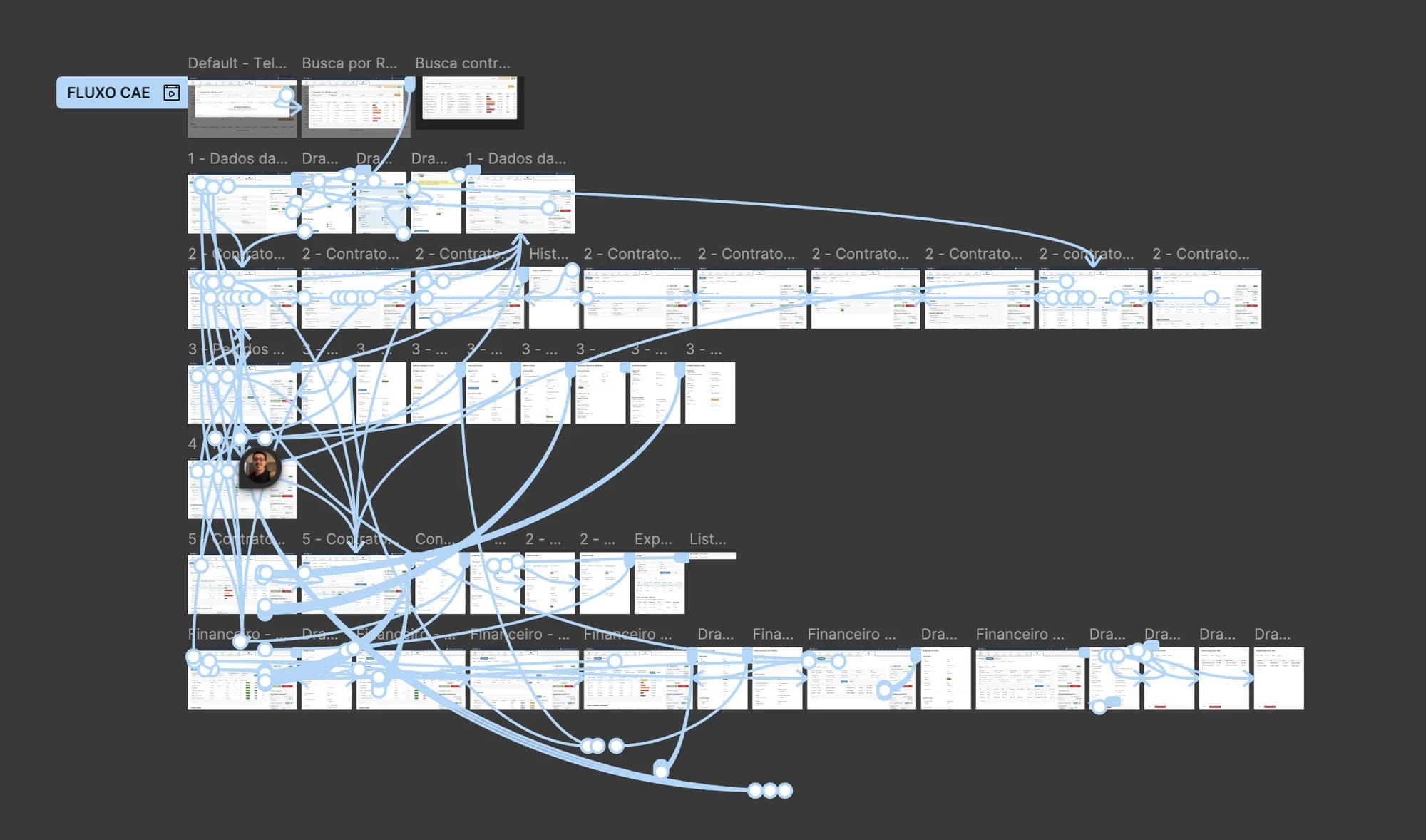
- Deep exploration: I mapped the features of the system being retired and the journeys where each one was used. This first delivery covered 20 mapping documents, 29 lookup and transactional flows and 47 screens.
- Quantitative research to understand real usage, and qualitative research to understand why.
- Usability testing with 20+ agents on real support situations, covering the most searched topics and the least searched ones too, for balance.
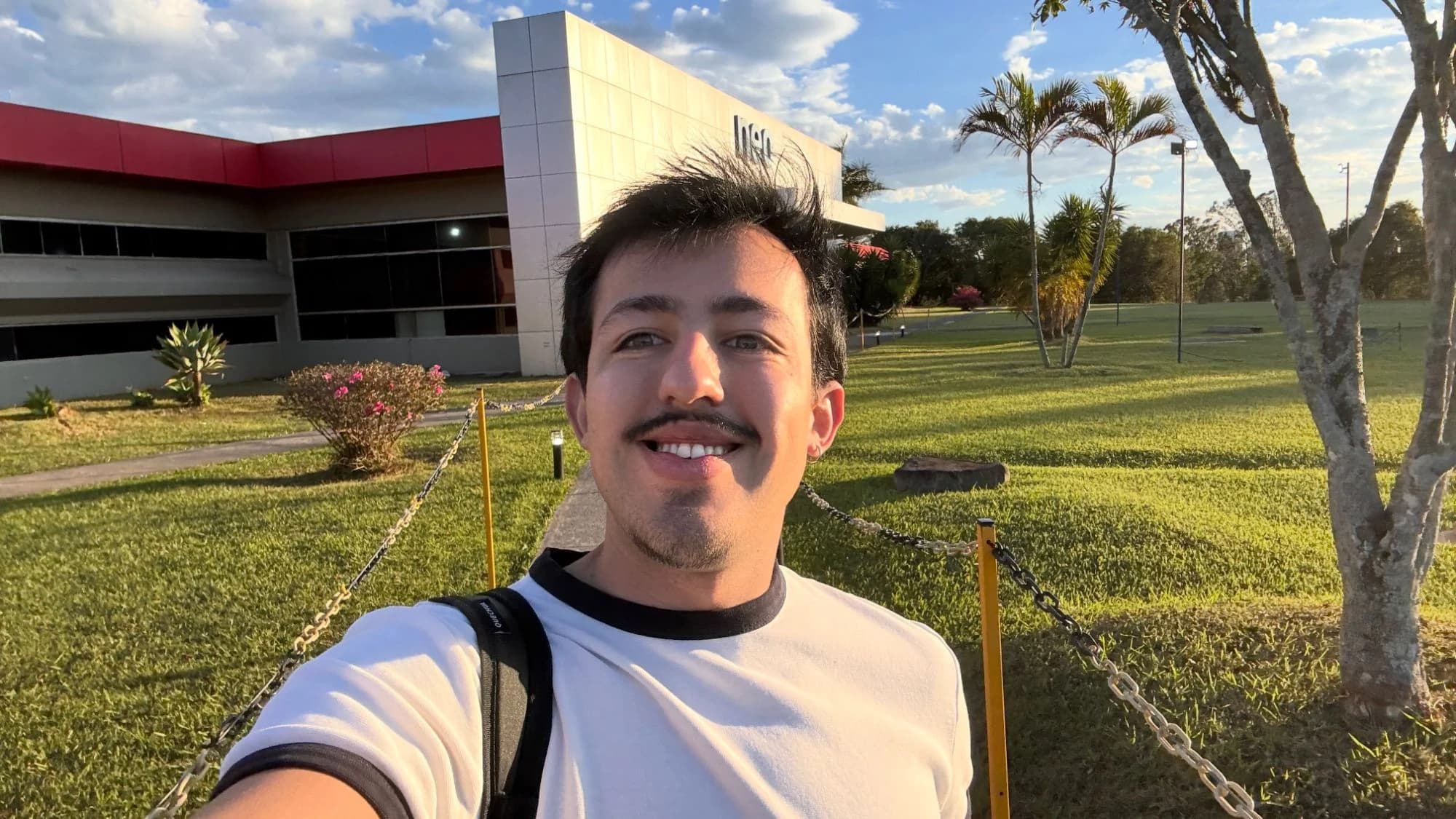
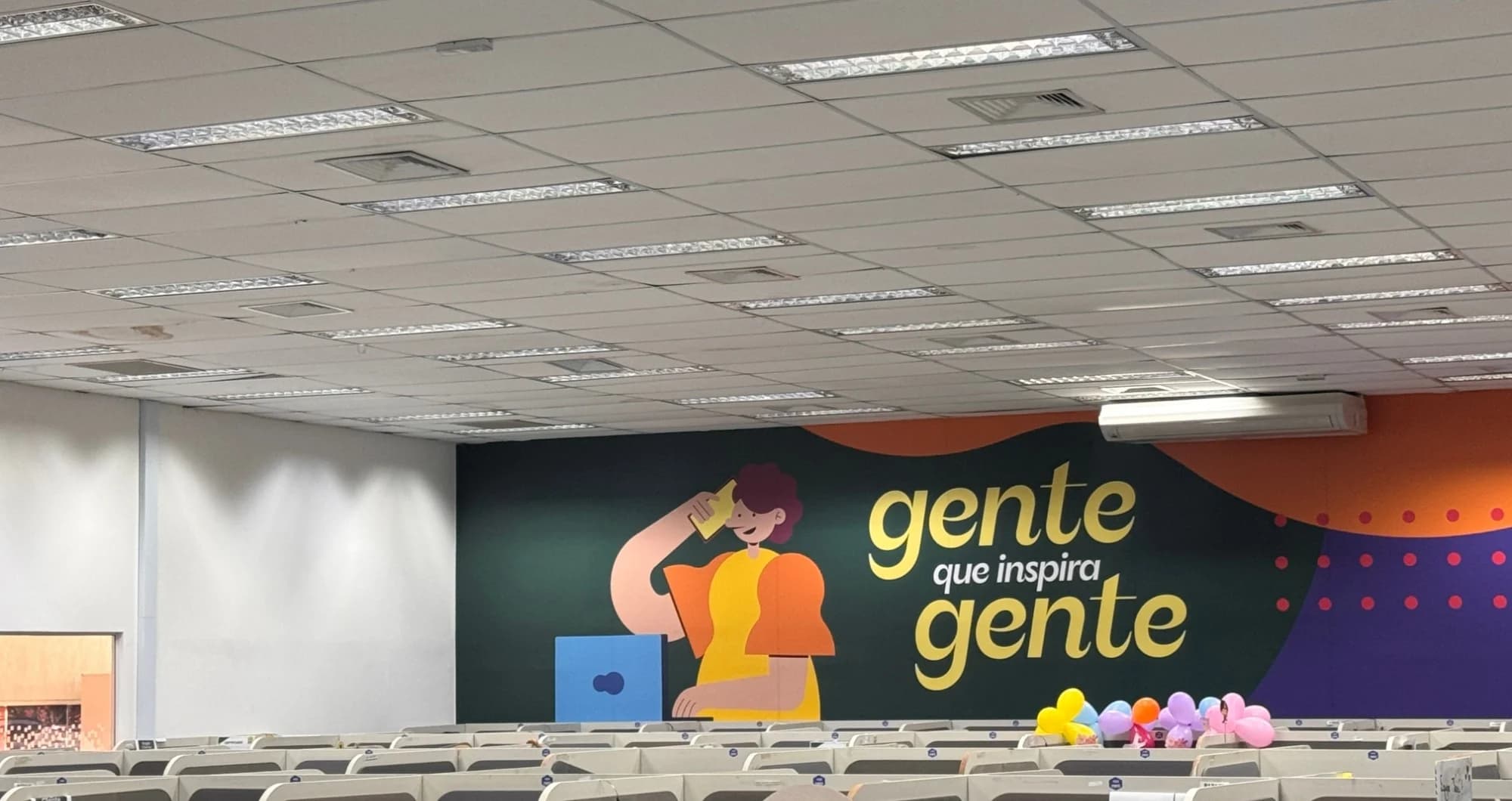
On the floor
I went to the support operation to watch agents in real situations. That's where it became clear that every support case revolves around a contract.
Key decision: organize by contract, not by feature
Insight
Every support case is about a contract. But in the legacy system, agents searched for the company, then looked for the contract inside it, and still had to write down the contract number and company ID to move on.
Decision
I tied the whole process to the contract. The agent searches by company ID, finds the contract and, through that link, the contact person is selected automatically. From there, support is holistic, with an always-visible side panel showing which company is being served and who the agent is talking to, since handling more than one person at once is common.
Post-test adjustment
Some sections were used so often that they became full categories.
Navigation, before and after
The same support case, in both systems.
Before · legacy system (Acelera)
- 1Search for the company
- 2Find the contract inside it
- 3Write down the contract number and company ID in a notepad
- 4Open each module and search all over again
And the session dropped mid-call
After · organized by contract (Plusoft)
- 1Search by company ID
- 2Pick the contract: the contact person is already identified
- Overview and 9 contract tabs
- Orders and batches
- Beneficiaries and cards
- Finance: billing, adjustments, fees, invoices and statement
- Logging the support case
Fixed side panel: company and contact person always in view
Working with an external team
Plusoft, a third-party tool Alelo contracted, owned the front-end. I designed the full flow and defined the minimum expected behavior of each screen, as well as the solution's semantic taxonomy: an order that follows how agents think and meets the product's expectations. That keeps the structure scalable, so any future migration into Plusoft follows the same logical, linear order. Plusoft could adjust components for technical constraints, but the architecture, the flow and the UI behavior were my responsibility.
Transition
I presented the tool to the agents and walked them through the navigation logic. Then I created an introductory guide to the new system, and the responsible team ran the training. Usability testing had already confirmed that the logic made sense to the people who use the system every day.
Result
Average handling time dropped from 19 to 11 minutes, and customer satisfaction during support rose from 2.9 to 4.1.
What the agents said
Feedback from the agents after the migration.
“Support got so much faster. I find the contract and everything is right there.”
“I don't have to write contract numbers and company IDs in a notepad anymore just to keep track.”
“Logging the case is much quicker now, because everything is in one place.”
In a migration, the biggest risk isn't technical. It's habit. Spending time next to the agents changed the whole architecture: I left knowing the system had to be organized around the contract, not the features. And as a consultant, I learned that my main deliverable is clarity, for the people who will use the solution and for the people who will build it from my understanding and my proposal.